Who is T. Sheldrake?

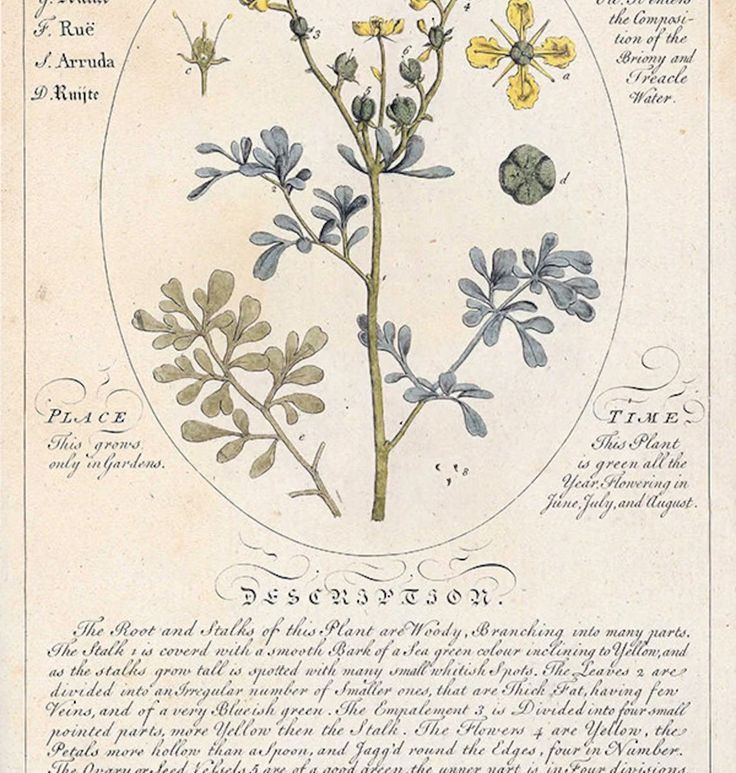
Timothy Sheldrake was a medical doctor and botanist who lived from 1691 to 1759. [1] Sheldrake also used the name forms “T Sheldrake”, “Sheldrake, Timothy”, and “Sheldrake, Timothy”. [2] Sheldrake is most known for his grand work Botanicum Medicinale; An Herbal of Medicinal Plants on the College of Physicians List. Background “SHELDRAKE, TIMOTHY (fl. 1756), M.D., a native of Norwich, was descended from an old … Continue reading Who is T. Sheldrake?


Authenticity v. Inauthenticity and Creator Burnout

It seems like everyone today wants to be a content creator. With this, there are also bombardments of ads capitalizing on this fact. But at the same time, it seems like a lot of content creators are experiencing burnout and are not enjoying their art anymore. Creativity: Where does art come from? “Toward a psychology of the artist” by Nietzsche, p. 518 in The Portable … Continue reading Authenticity v. Inauthenticity and Creator Burnout

Understanding “The Secret” (The Law of Attraction) and its Egyptian Origins

What if someone were to tell you that you can have anything you want? Anything, if you can just believe you could. Within the 2006 documentary, The Secret, screenplay writer and executive producer Rhonda Byrne walks us through the centuries-long secret of the Law of Attraction: changing your life with your thoughts alone. In its debut, the world was fascinated with Byrne’s work, which was … Continue reading Understanding “The Secret” (The Law of Attraction) and its Egyptian Origins

Nietzsche’s Views Aligned with Buddhism: Is Nietzsche’s Ubermensch a Buddha?

The concept and practice of Nietzsche’s Ubermensch could be shown to be either one in the very same or nearly all too similar to the philosophies of Buddhist teachings, as Nietzsche indicates many comparable ideas on intricate Buddhist concepts. First, it is important to define both what Nietzsche’s ideas of the Ubermensch were as well as some of the basic principles in Buddhism to show … Continue reading Nietzsche’s Views Aligned with Buddhism: Is Nietzsche’s Ubermensch a Buddha?

Hank Azaria and The Creators Behind “The Simpsons” are Taking a Stand Against the Use of Blackface in Entertainment

The year 2020 will be one of the most memorable years of the 21st century. It was just over two months after COVID-19 came to the US when the entire world saw a US cop kill a black citizen, George Floyd, in cold blood. Unable to fathom the sight of this, the world changed. People started to protest peacefully, and across the country and even … Continue reading Hank Azaria and The Creators Behind “The Simpsons” are Taking a Stand Against the Use of Blackface in Entertainment

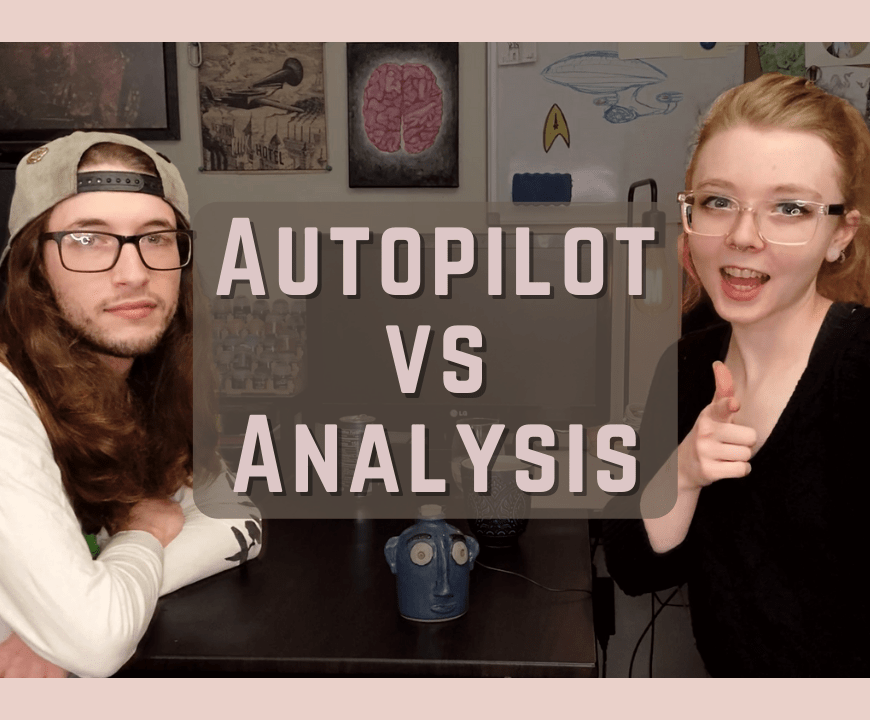
Autopilot, Analysis, & Intentionality – Making Sense of Heidegger (Being and Time) with Husserl

In Heidegger’s Being and Time, right off the bat, it is quite difficult to understand what Heidegger is trying to achieve. In this video, Artem Alex and Loren Danger talk about the difference between two conscious modes: Autopilot Mode (Habit) and Analysis Mode (Meta); or, Heidegger’s “Inauthentic” and “Authentic”. Heidegger uses the term “Care” but here, to make more logical sense, Heidegger’s professor Husserl, his … Continue reading Autopilot, Analysis, & Intentionality – Making Sense of Heidegger (Being and Time) with Husserl

Using Biotechnology to Extend The Human Lifespan

Biotechnology today has become an incredibly advanced and expansive system of using both biological beings, such as plants or animals, as well as technologies that are constantly evolving the process. The question to put forward now is: how far should biotechnology go to benefit and extend the human lifespan? In looking through all of the extensive research on the subject, the question can not be … Continue reading Using Biotechnology to Extend The Human Lifespan

Improving and Modernizing Business Ethical Codes

The issue brought into question comes from “Codes of Ethics: Texts in Practice,” written by Peta Bowden and Anne Surma, published in 2003 in Professional Ethics, which highlights the possible errors that having official ethical codes within industries can cause. Authors Bowden and Surma suggest that having ethical codes set at a highly official capacity can lead to alienation in the workplace. They then argue … Continue reading Improving and Modernizing Business Ethical Codes

Nader vs. Friedman on ‘Government Regulations’ and Consumer Rights

In the interview between Ralph Nader and Milton Friedman, “Government Regulation – Too Much or Too Little?” with moderator Hugh Sidley (1979), Nader and Friedman discuss just that. Does the United States government have too much or too little regulation on businesses, enterprises, or our consumer autonomy? The importance of this discussion is because of how government regulations do affect consumers on both positive and … Continue reading Nader vs. Friedman on ‘Government Regulations’ and Consumer Rights

Reviewing Mike Martin’s ‘Meaningful Work’ on Professional Motives

To preface his own thoughts, writer Mike W. Martin, in chapter two of his book Meaningful Work: Rethinking Professional Ethics (2000), reviewed two separate individuals whose ideas on professional integrity and motives contrast greatly. First, Martin analyzed Adam Smith who wrote esteemed business ethics novels in the late 1770s. Martin wrote that while Smith may have been self-contradictory in some areas, Smith consistently concluded that … Continue reading Reviewing Mike Martin’s ‘Meaningful Work’ on Professional Motives